



BLOG
Explore our blog for the latest news, tips, and insights on custom pins, challenge coins,
medals, and collectibles. Learn about trends, design inspiration,
and behind-the-scenes stories from our 18 years of metal craftsmanship experience.
Inside American Military Culture: How to Design a Highly Collectible 3D Relief Challenge Coin
Date: 2026-03-24Inside American Military Culture: How to Design a Highly Collectible 3D Relief Challenge Coin
In North American and European military and law enforcement (Military and Law Enforcement) cultures, few items carry as profound a sense of honor and belonging as Challenge Coins. These beautifully designed metal coins, bearing unique unit insignia, are not just for recognition and awards among members; they are cultural vessels and coveted collectibles passed down through generations.
As a professional metal craft manufacturer with years of experience, we have witnessed the creation of thousands of unique challenge coins. Today, we will unveil the core secrets of using the 3D Relief Process (3D Relief Process) to craft military challenge coins with exceptionally high collectible value.
1. 2D vs. 3D Relief: A Leap in Visuals and Tactility
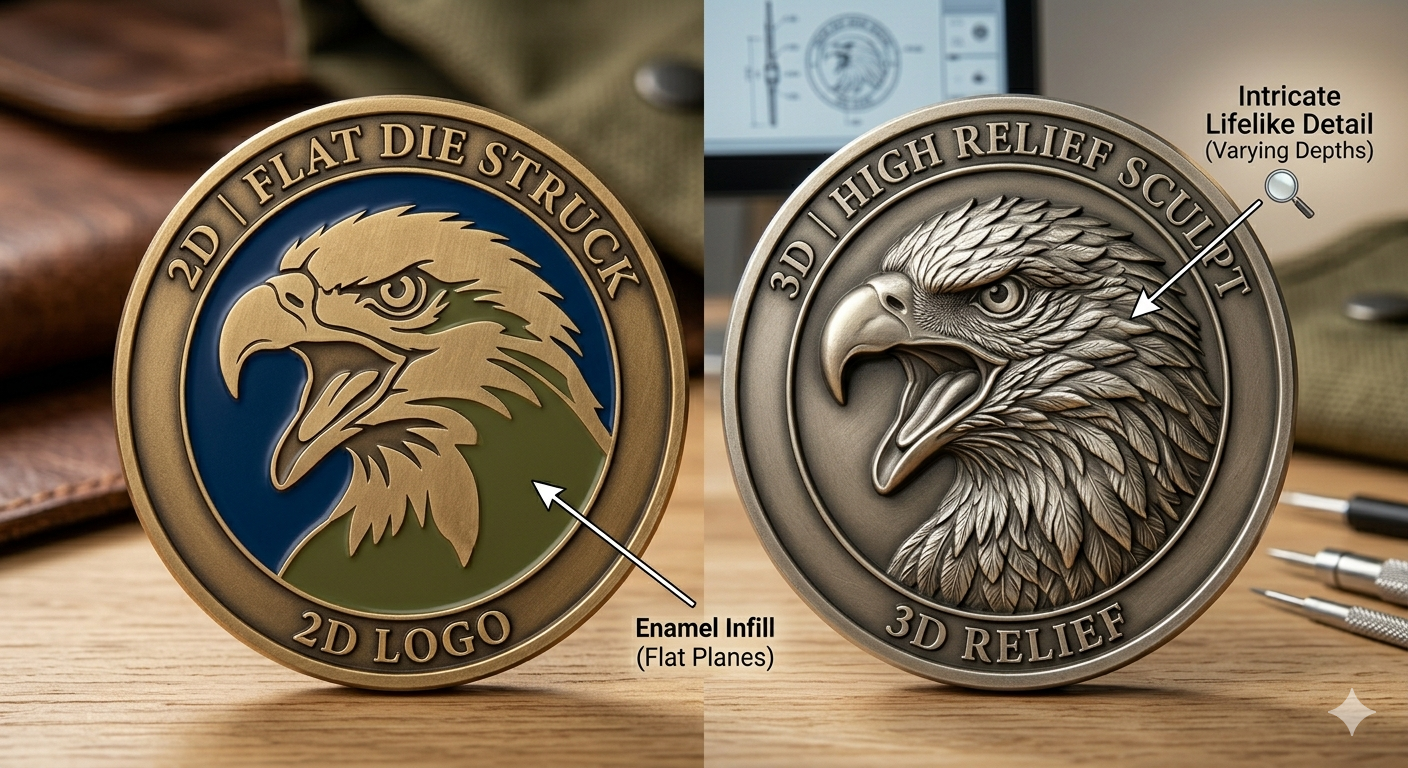
Many clients wonder before placing an order: What is the difference between a 2D design and 3D relief?
2D Design: All lines and surfaces are at the same height, typically distinguished by plating lines and enamel infill. It is perfect for flat logos, geometric shapes, or simple line-art designs.
3D Relief (The Star of This Post): This is the key to creating premium military coins. It transforms designs into realistic, multi-layered three-dimensional figures (such as: Eagle heads, tanks, anchors, complex military crests) through precision tooling. When you run your fingers over it, you can feel the true contours and depth.
Design Inspiration: 3D relief is best suited for showcasing wildlife (Bald Eagles, Wolves, Bears), intricate military crests, architectural silhouettes, and even 2026 World Cup stadium skylines (as an inspiration for merchandise development).
2. Core Elements of a High-Value Collectible Military Coin
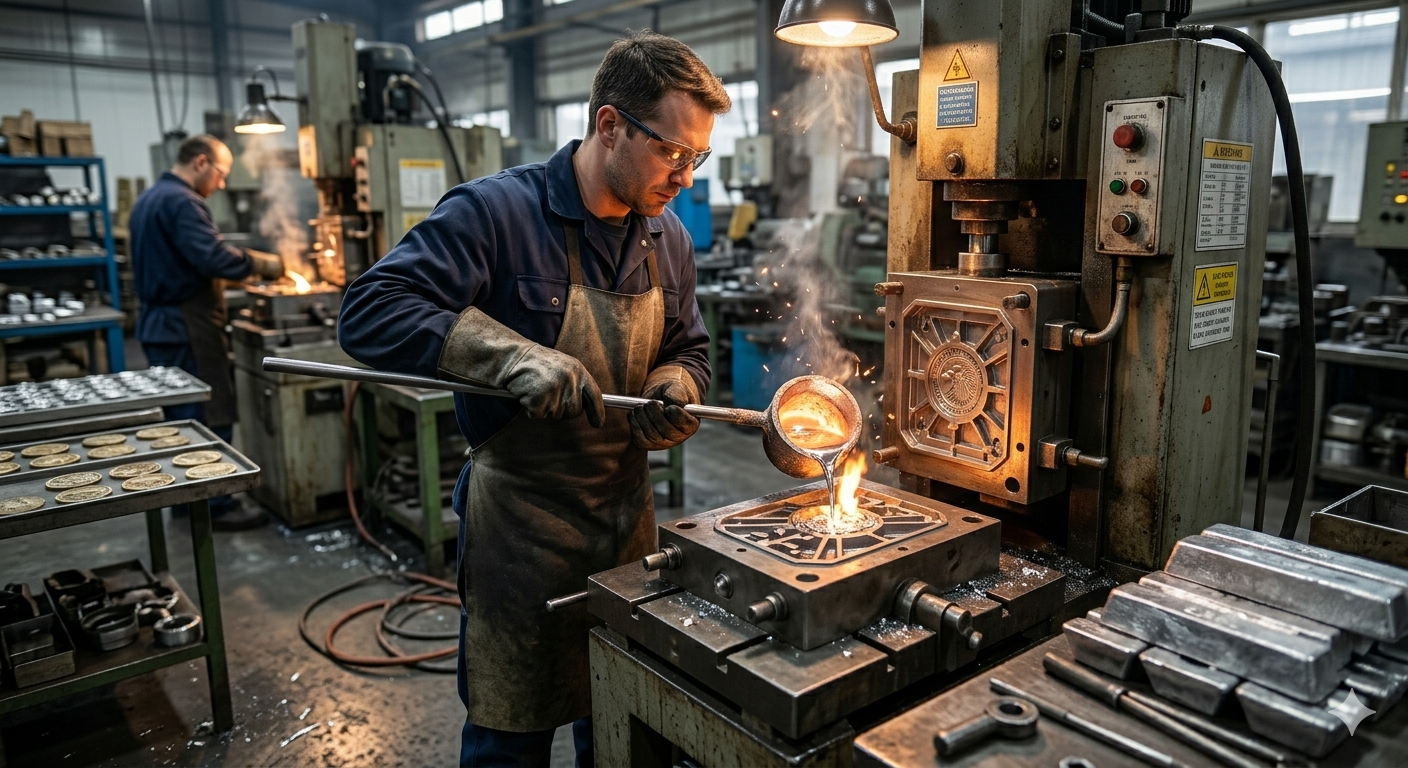
A. Precision Tooling and Zinc Alloy Die-casting (Zinc Alloy Die-casting)
High-quality 3D relief starts with precision tooling. We recommend using Zinc Alloy material for die-casting. Compared to the stamping process, die-casting fills the microscopic details of a 3D mold much better, ensuring sharp and crisp edges on complex logos.
B. Antique Finishes (Antique Finishes)
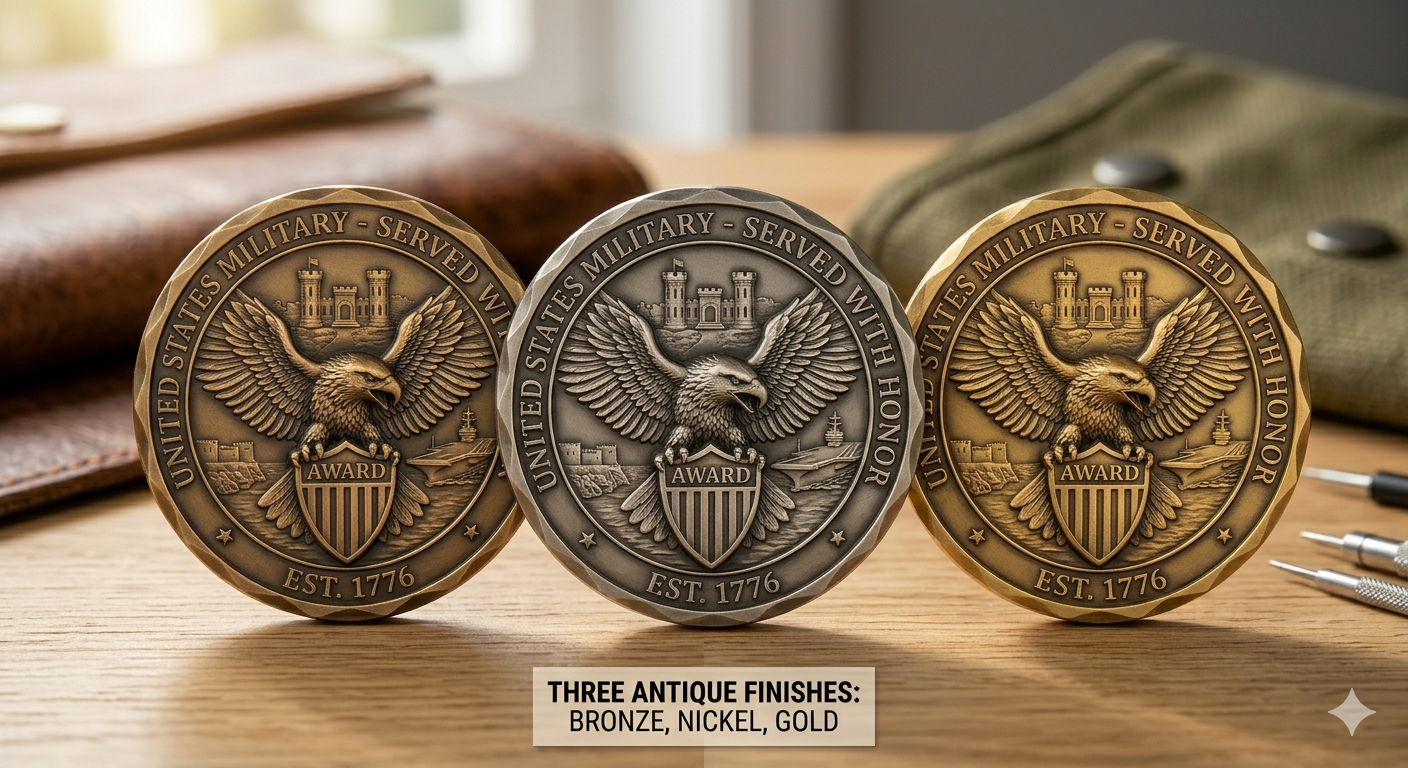
To emphasize the three-dimensional depth and historical weight of 3D relief, Antique Plating (Antique Plating) is the preferred choice.
Antique Bronze (Antique Bronze): Creates a solemn, time-honored texture.
Antique Nickel (Antique Nickel): The top choice for modern military and police departments, offering a cold and sharp look.
Antique Gold (Antique Gold): Symbolizes top-tier honor and leadership.
C. Edge Options: Details Determine Success
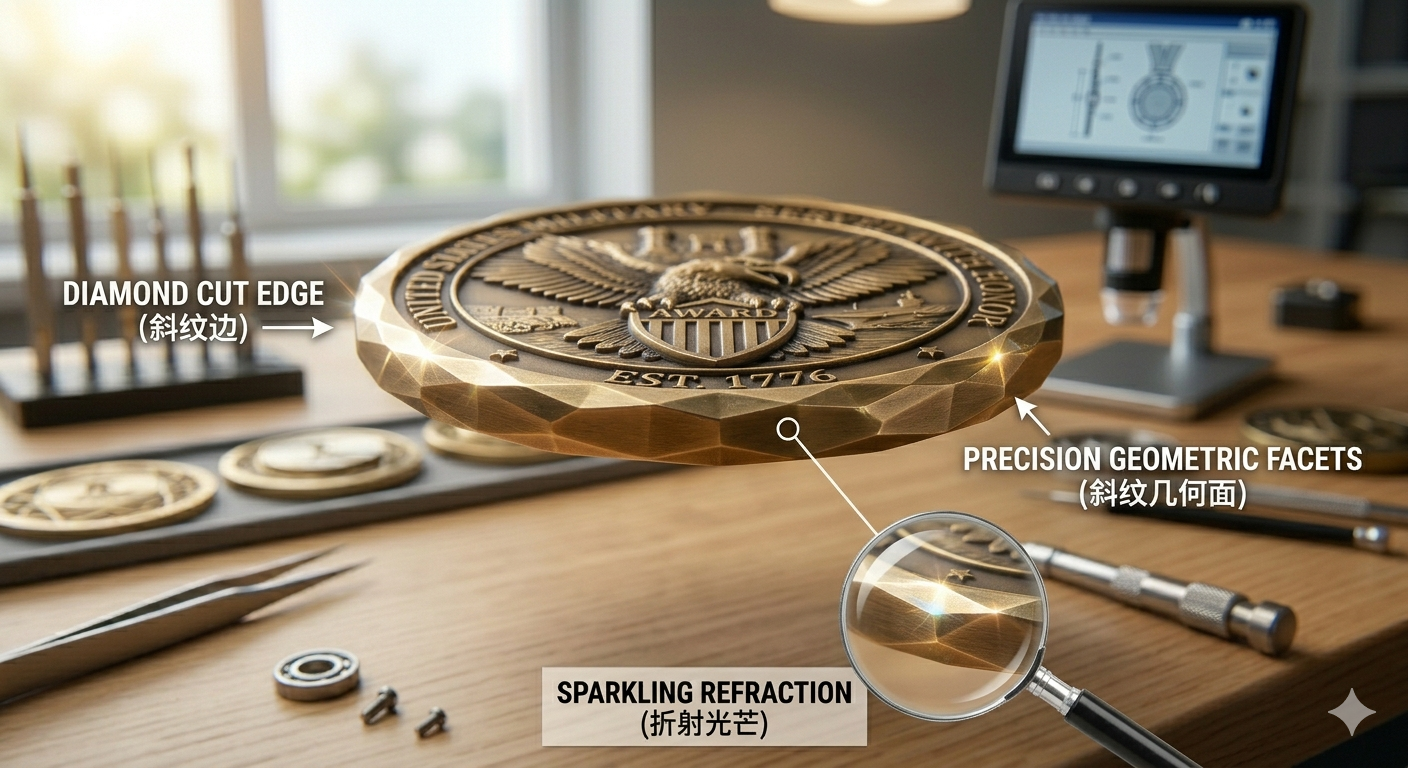
The edge of a coin is often overlooked, but it is precisely what collectors focus on.
Reeded Edge (Reeded Edge): The classic, standard hard-coin texture.
Diamond Cut Edge (Diamond Cut Edge): Adds multifaceted cuts that refract light at different angles, creating a sense of luxury.
3. How to Design Your Military Challenge Coin from Scratch?
Step One: Define the Core Logo and Narrative. Is it for Unit Recognition (Unit Recognition), Team Building (Team Building), or a Specific Mission (Specific Mission)?
Step Two: Convert Key Logos/Insignia into 3D Relief (We can provide expert advice).
Step Three: Choose your Plating Color (Antique recommended) and Edge Option.
Why Choose Our Custom Solutions?
We provide more than just production; we have a professional mold design team that can help you efficiently convert complex 2D sketches into realistic 3D die-cast molds, ensuring your military coins maintain extremely high collectible value through 2026 and beyond.